
Appointment request
Choose a convenient time — we will confirm the appointment and contact you before your visit. Acute pain, swelling or pain when biting? Message us — we will try to find an urgent time.
Adult dental care — from a single-tooth problem to complex rehabilitation.

Choose a convenient time — we will confirm the appointment and contact you before your visit. Acute pain, swelling or pain when biting? Message us — we will try to find an urgent time.
If you live outside Sofia or already have scans and documents, you can send them to the dentist in advance. Send a text, voice message or attach the files.
Severe swelling, fever, difficulty swallowing or breathing is an emergency. Seek urgent medical care.
Adult patients only. Paediatric dentistry and orthodontics are not our services.
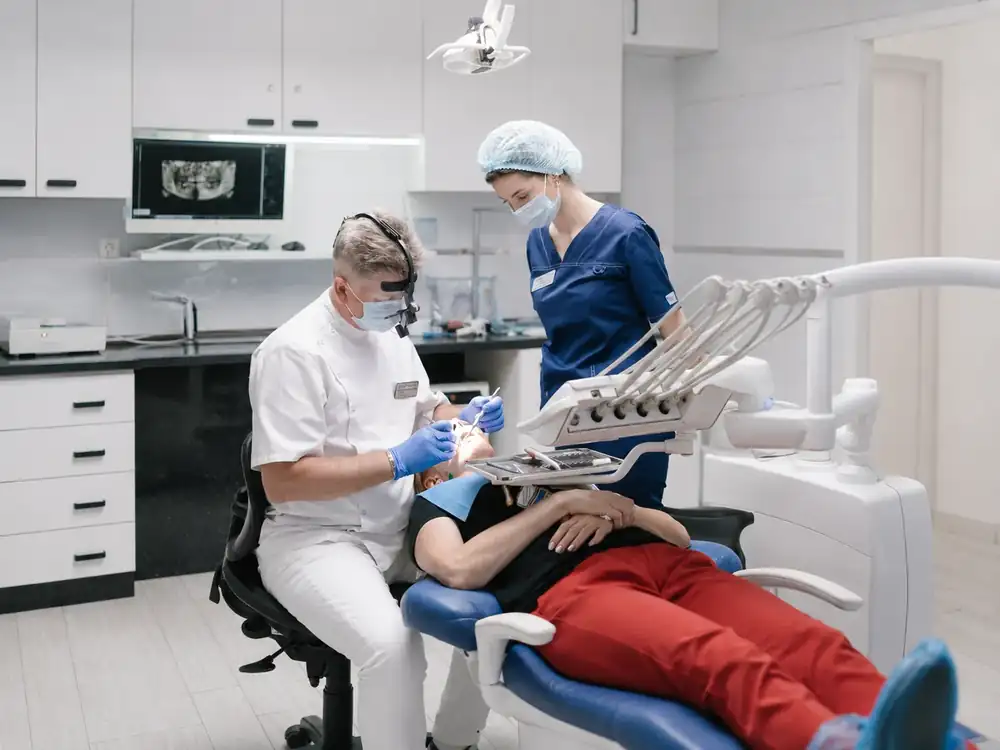
The first examination starts with a discussion of what is bothering you and what treatment you have had before. The dentist then performs a clinical examination and reviews any available imaging.
Additional tests are prescribed only when genuinely needed for a decision. In straightforward cases treatment can sometimes start the same day; complex cases are planned separately first.
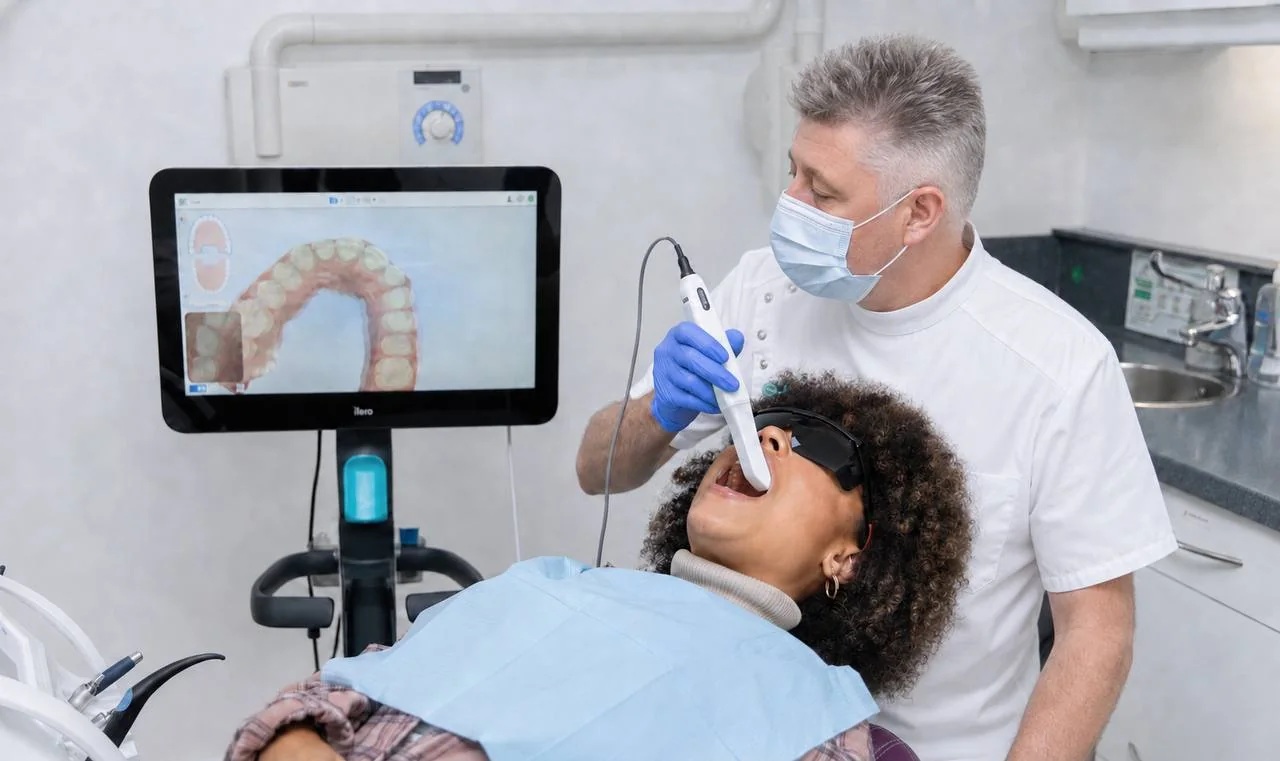
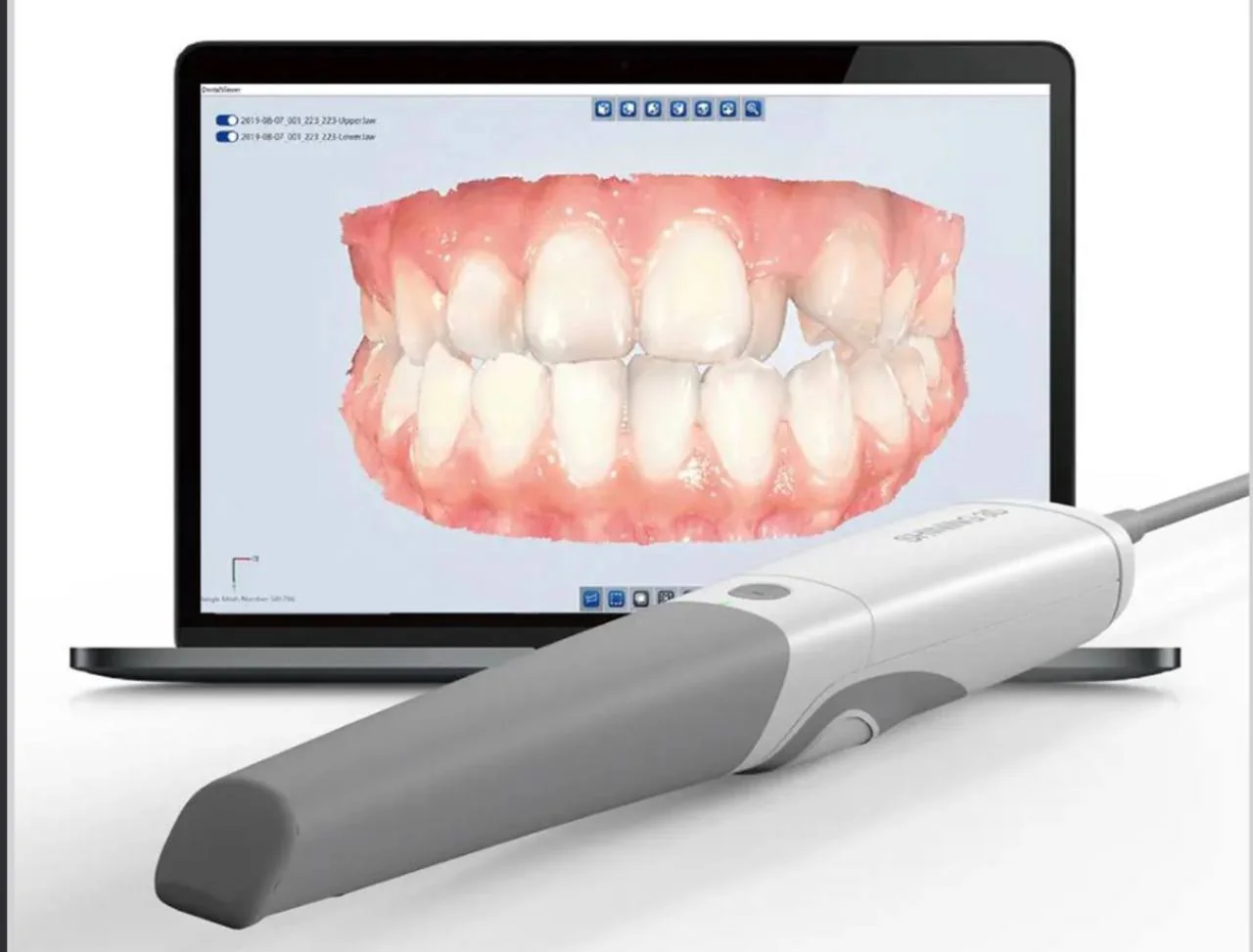
When one or more teeth need restoring, the dentist can take a digital scan of both jaws.
The 3D model lets you view the teeth on screen, plan the restoration, discuss the result and send accurate data to the dental technician.
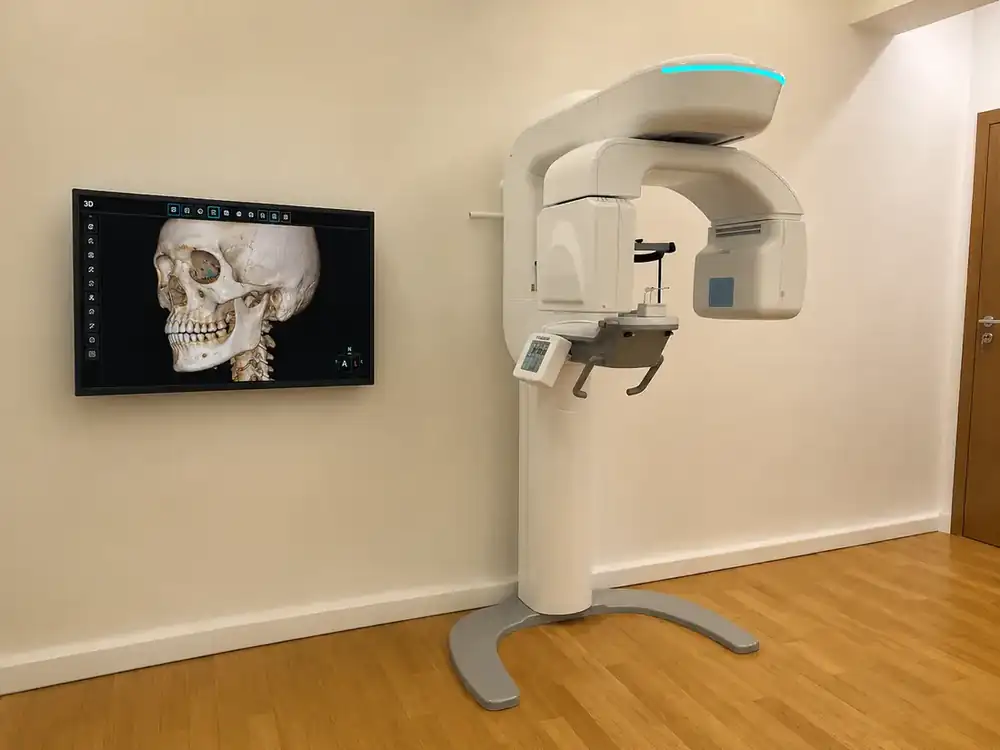
CBCT shows teeth, roots, bone and neighbouring anatomical structures layer by layer and in different planes.
It is prescribed only when a clinical examination or 2D image is insufficient for a safe, well-founded decision.
The scope of treatment is determined after examination and diagnosis.
Treatment of decay, replacement of old fillings and restoration of damaged teeth.
What it includes EndodonticsPrimary root canal treatment and retreatment, with an assessment of whether the tooth can be predictably preserved.
What it includes PreventionRemoval of dental deposits and personalised oral care.
What it includes Oral surgeryFrom straightforward extraction to complex and wisdom-tooth surgery, with maximum tissue preservation.
What it includes ProsthodonticsZirconia, E.max and ceramic inlays — the choice depends on the condition of the tooth and neighbouring teeth.
What it includes ImplantologyFrom single implants to complex protocols; immediate loading only when clinically indicated.
What it includesChoose a language and download the current PDF with all fees.
After the examination, the dentist prepares a staged plan and cost estimate. No hidden surprises during treatment.
Anaesthesia, control imaging and routine consumables are included where stated rather than added unexpectedly.
The exact fee depends on the clinical situation and is confirmed before treatment after examination and diagnostics. The full fee guide is available as a PDF.
When several related problems are present, treatment is planned as one whole: what to preserve, what to treat, what to restore and in what sequence.
MoreIf you already have a treatment plan from another clinic, the dentist can review the imaging, diagnosis and proposed sequence — especially before irreversible decisions.
MoreAbout the dentist
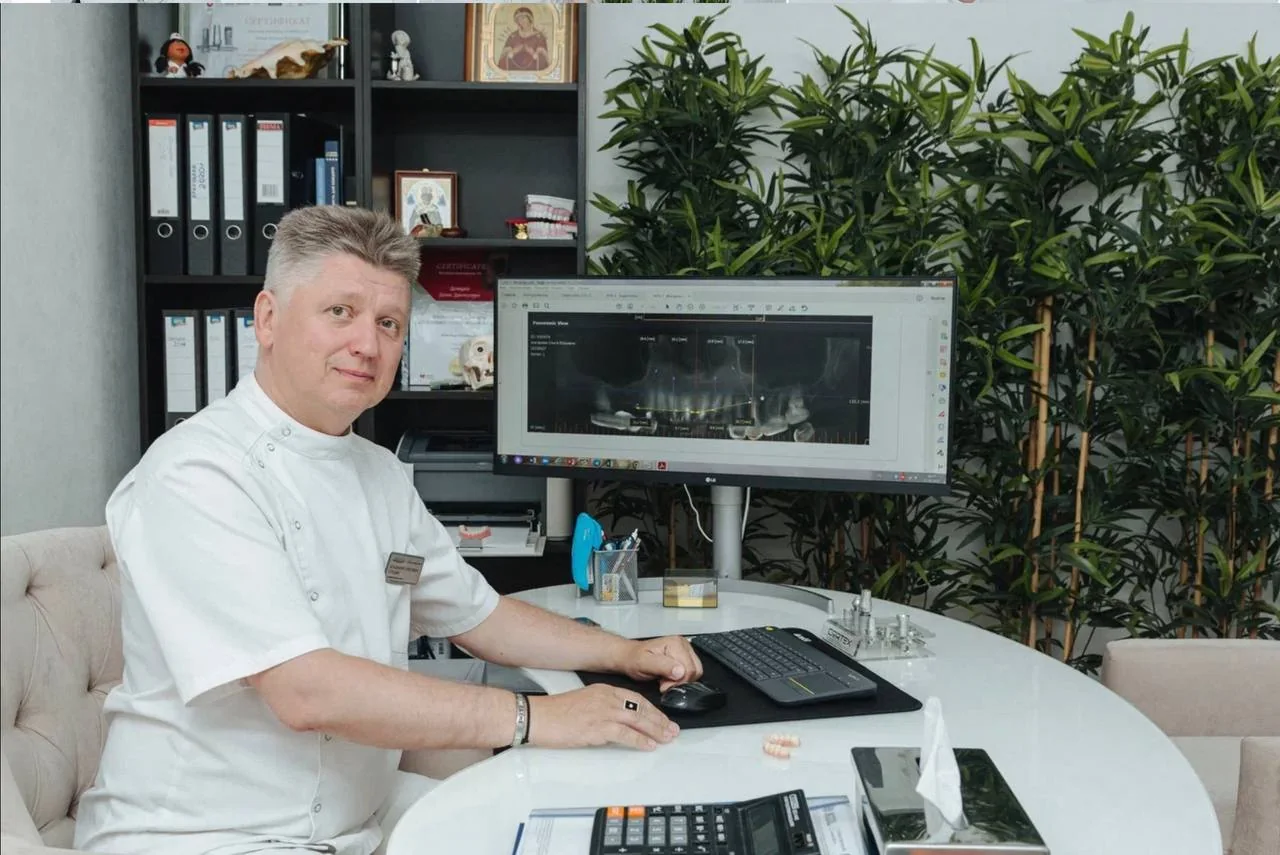
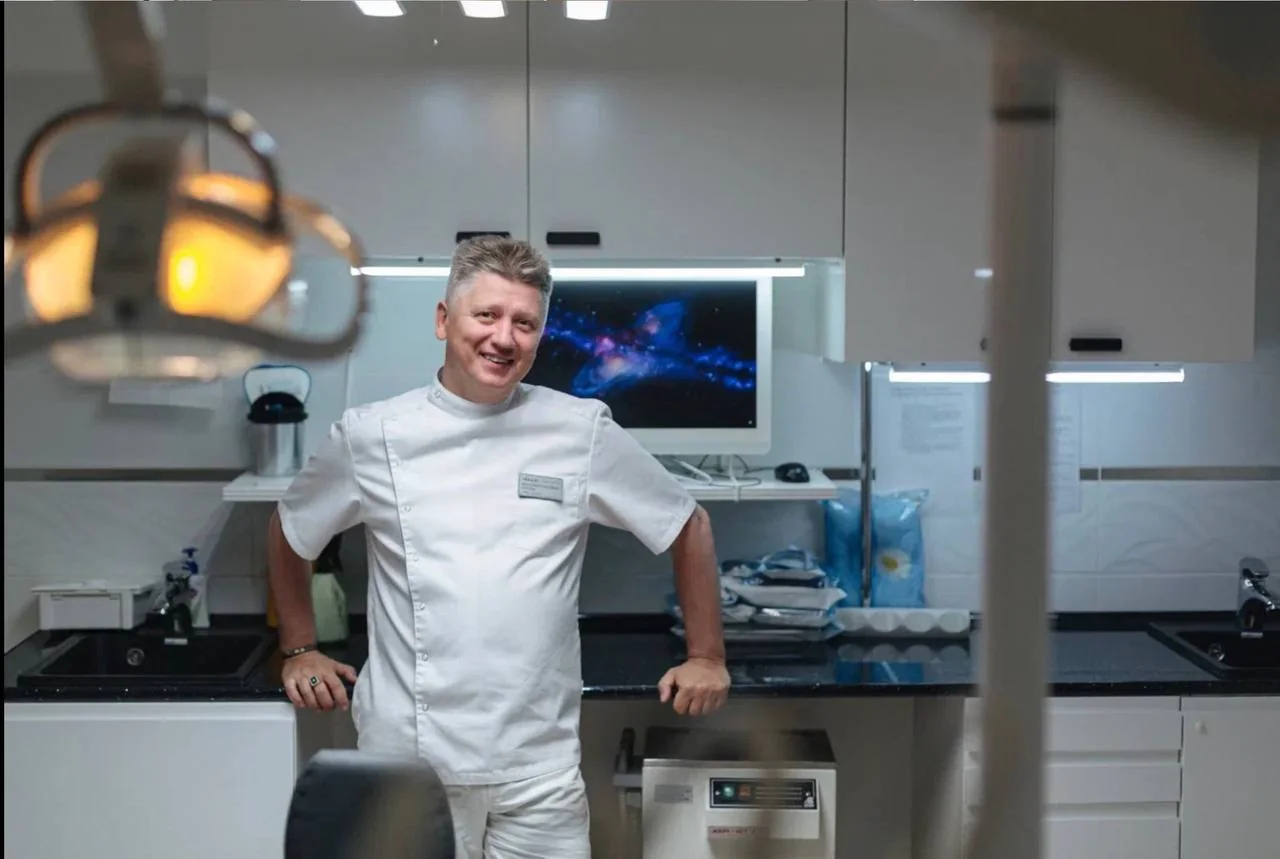
Dentist for adults. In practice since 1997 — from focused treatment to complex rehabilitation.
Qualified as a dentist at Kuban State Medical Academy. His professional qualification has been recognised in the Republic of Bulgaria since 2005; he is a member of the Bulgarian Dental Union.
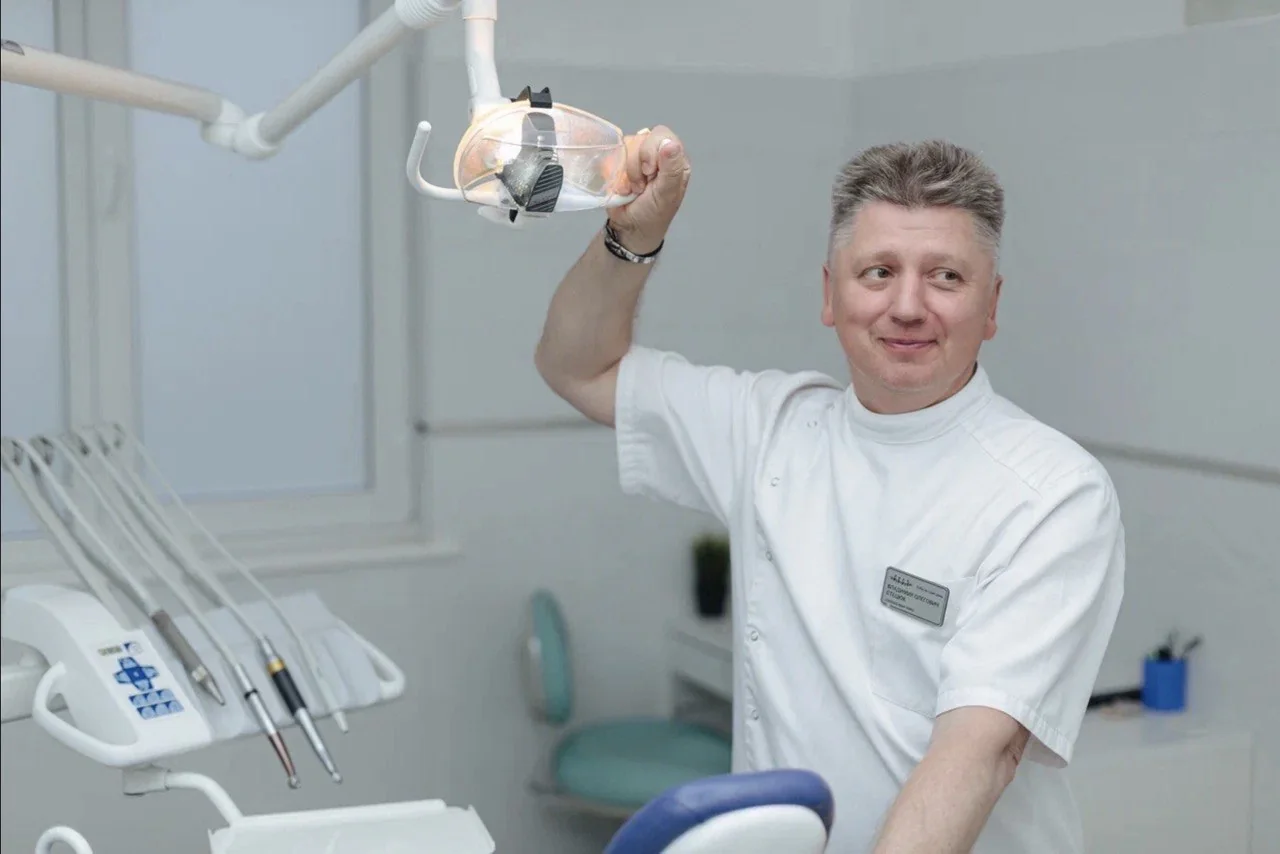
Complex cases
When treatment requires several stages, the dentist first gathers objective data, compares the options and only then discusses them calmly with the patient.
On-site equipment helps obtain the necessary information promptly and plan treatment without unnecessary steps.
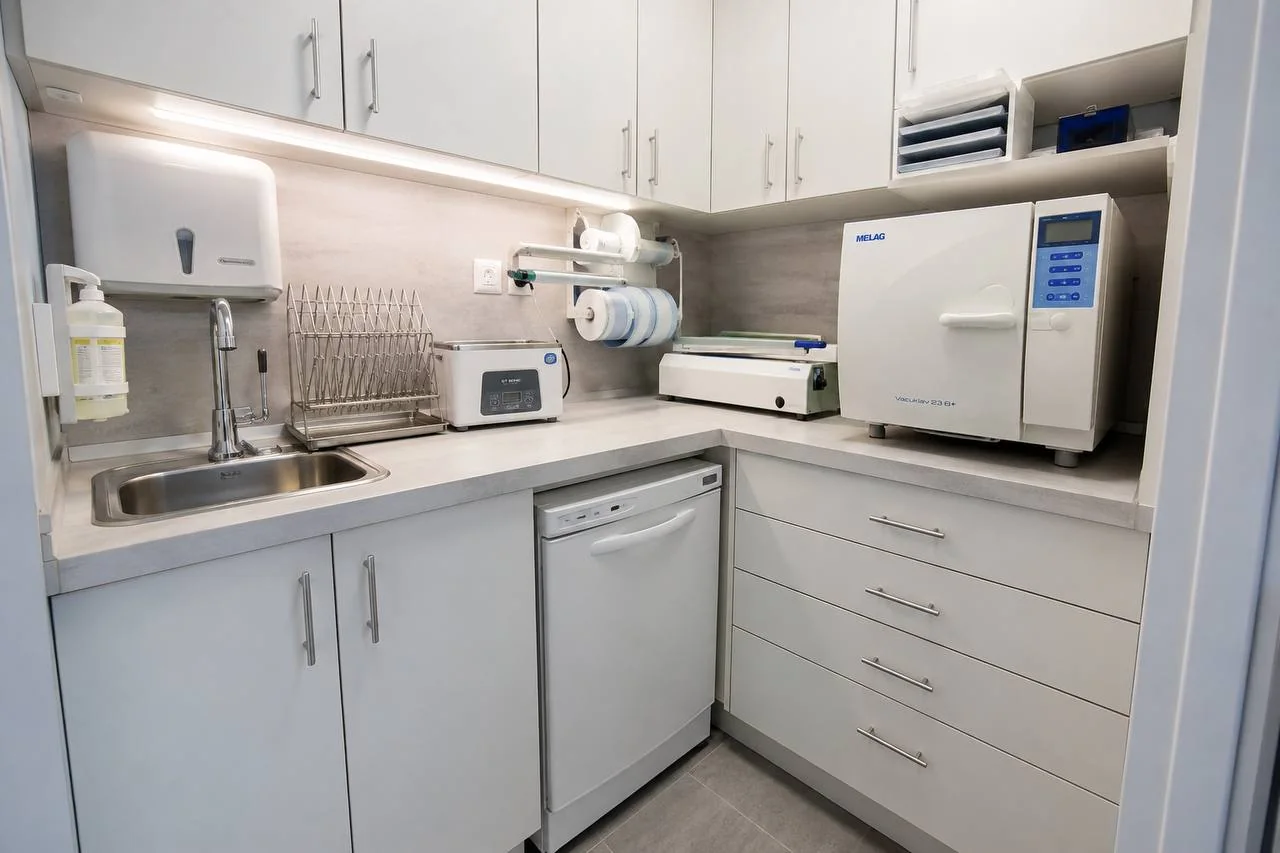
Fees
A published fixed fee for a specific procedure is final. Where cost depends on complexity, extent or technique, this is shown in advance as a range, a “from” fee or an individual plan.
Review appointments prescribed by the dentist after treatment are free of charge. Additional radiographic examinations, when required, are charged separately.
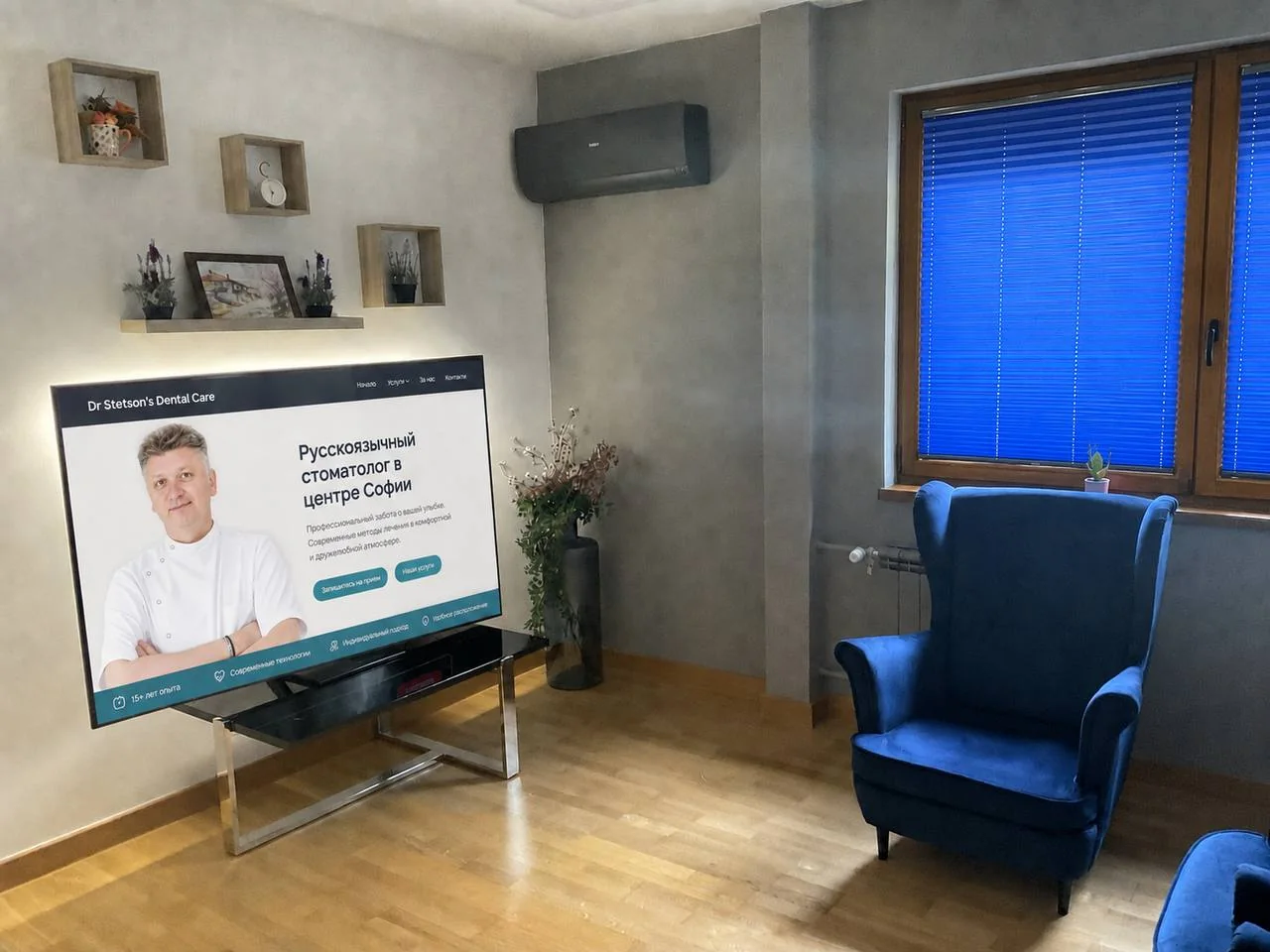
Clinic
The clinic is arranged so patients can not only receive treatment but also discuss complex plans, ask questions and make decisions without being rushed.
These reviews are based on real patient video interviews. The text has been shortened and edited for publication and is not a verbatim quotation.
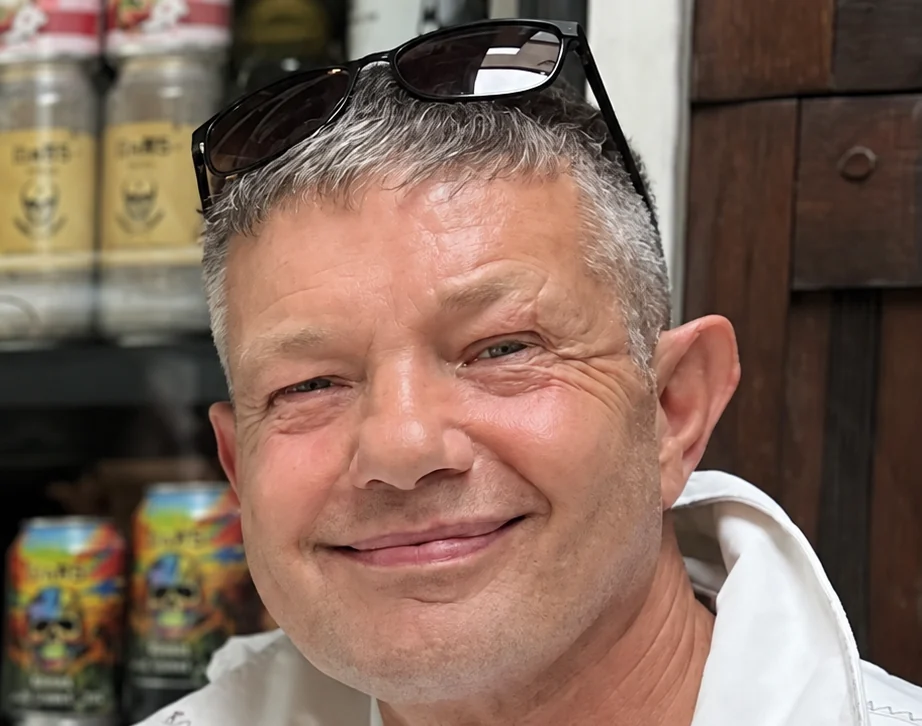
Mark made me feel welcome and well looked after throughout my visit. His knowledge, kindness and support gave me confidence, and I am very grateful for the care I received.
Marc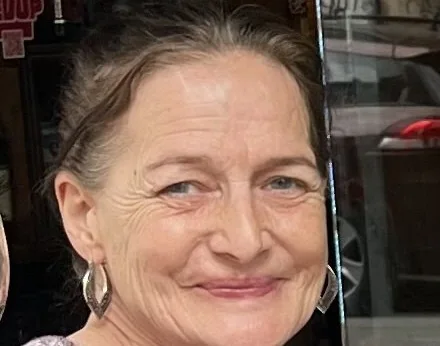
Thank you, Mark, for your kindness, respect and the trust you inspired. I felt comfortable and supported throughout my experience and truly appreciated your care.
Jan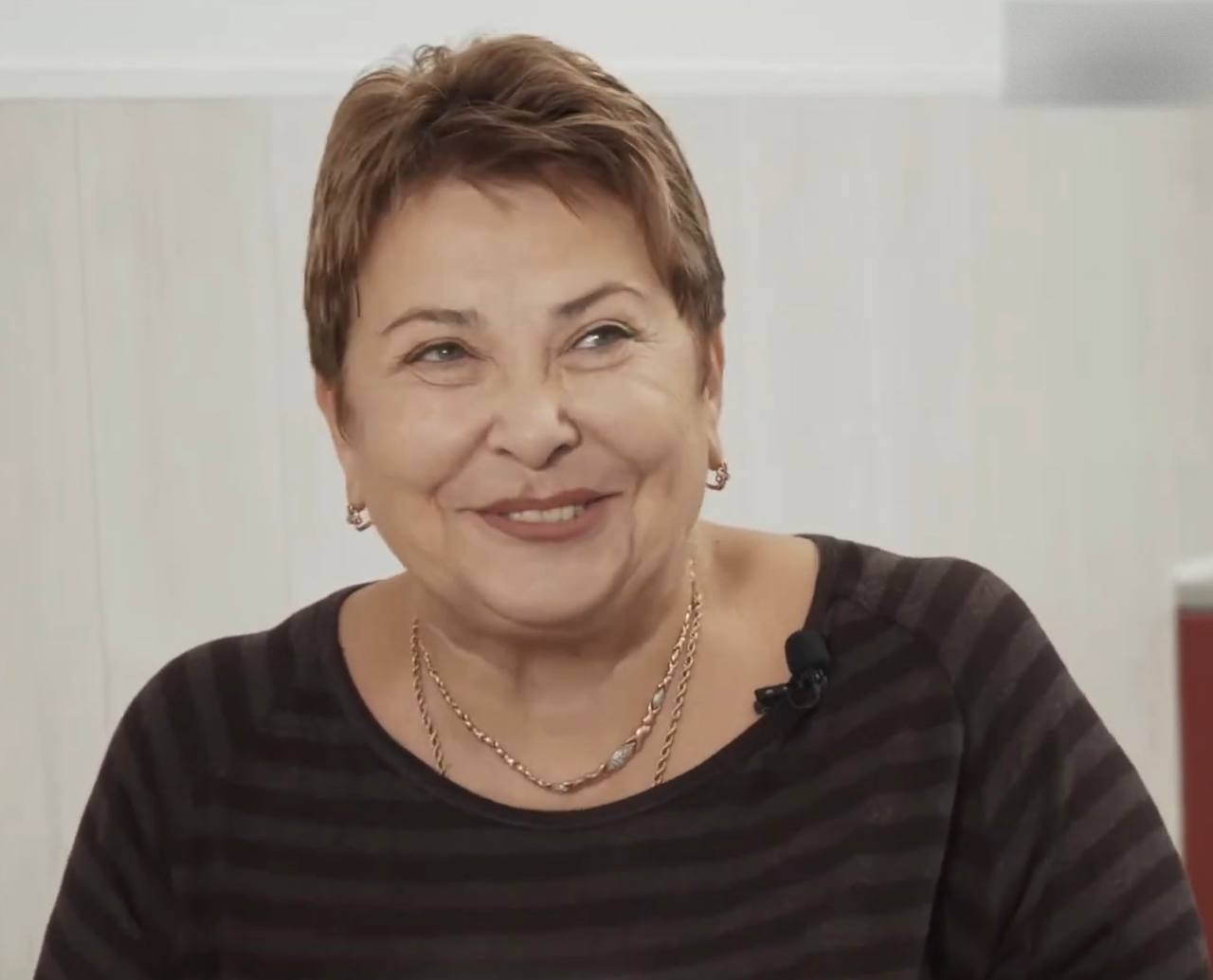
The patient highlights the attentive approach, calm atmosphere and clear explanations at every stage. She especially values the confidence that her case was carefully thought through.
Tamara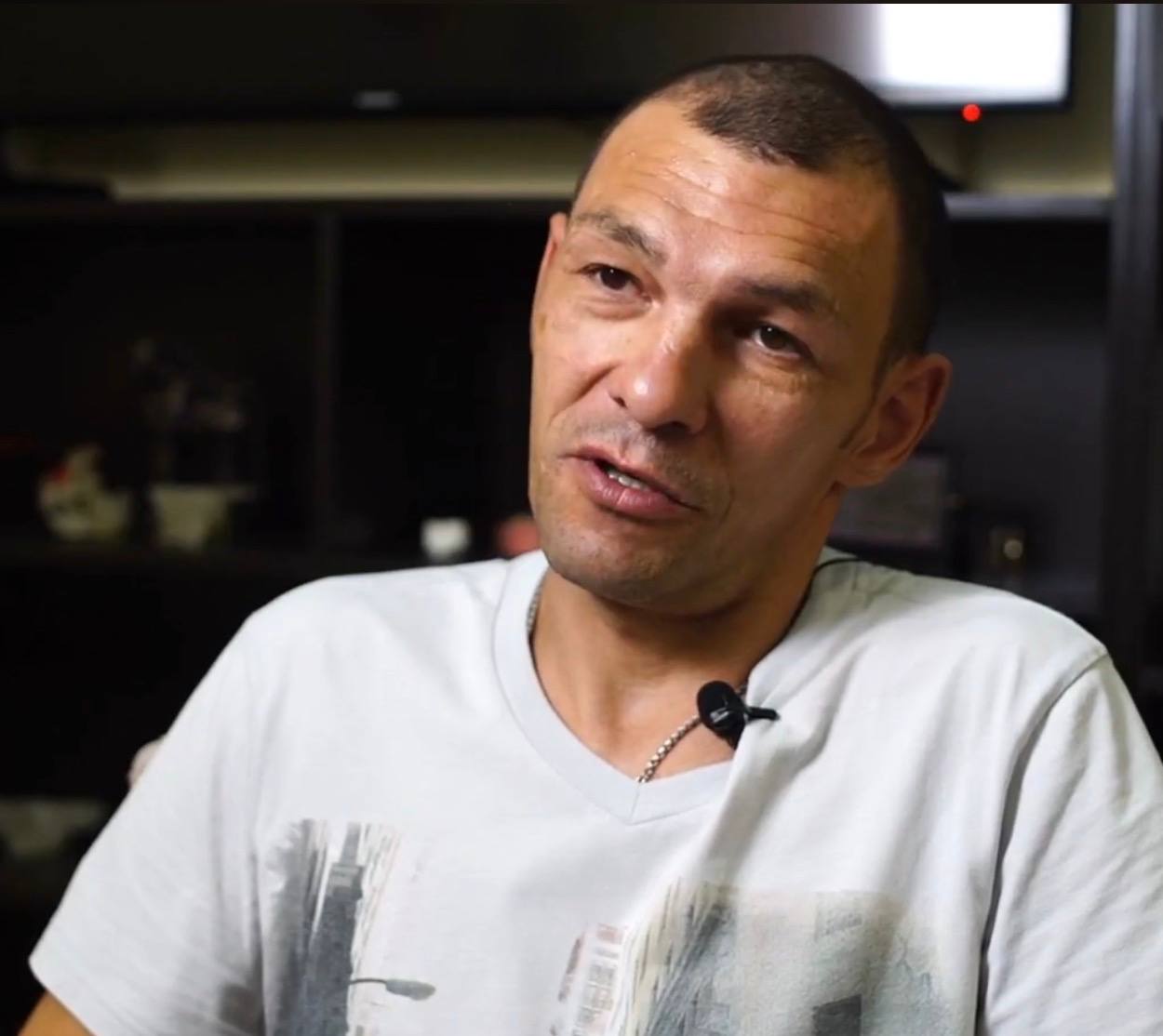
The patient says he was anxious before treatment, but after the consultation felt confident in the chosen plan. He particularly notes the professional approach, clear explanations and good result.
Alexey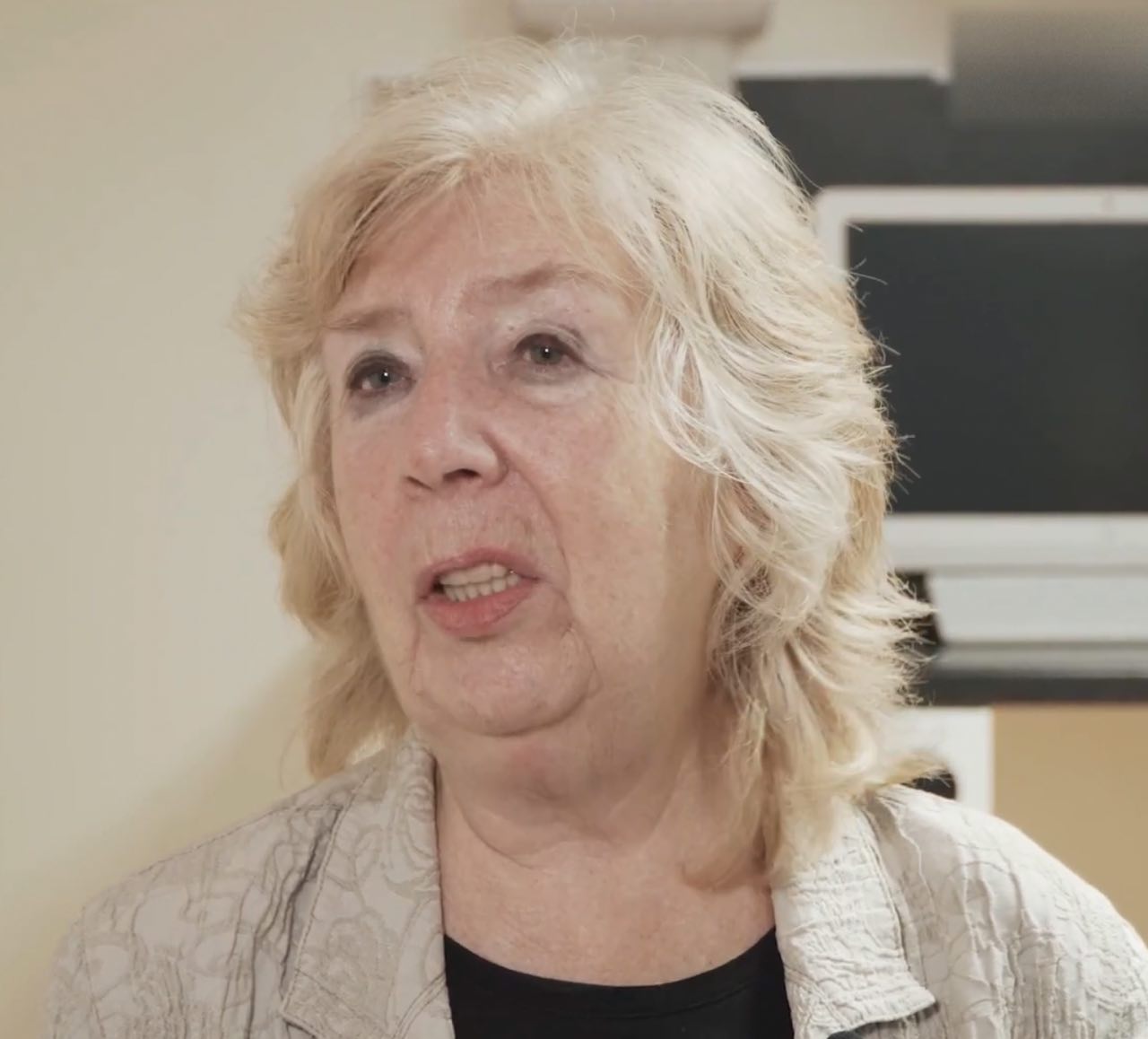
The patient appreciated that a complex situation was worked through step by step and without rushing. She emphasises the dentist’s attention, comfortable treatment and a result that met her expectations.
Svetlana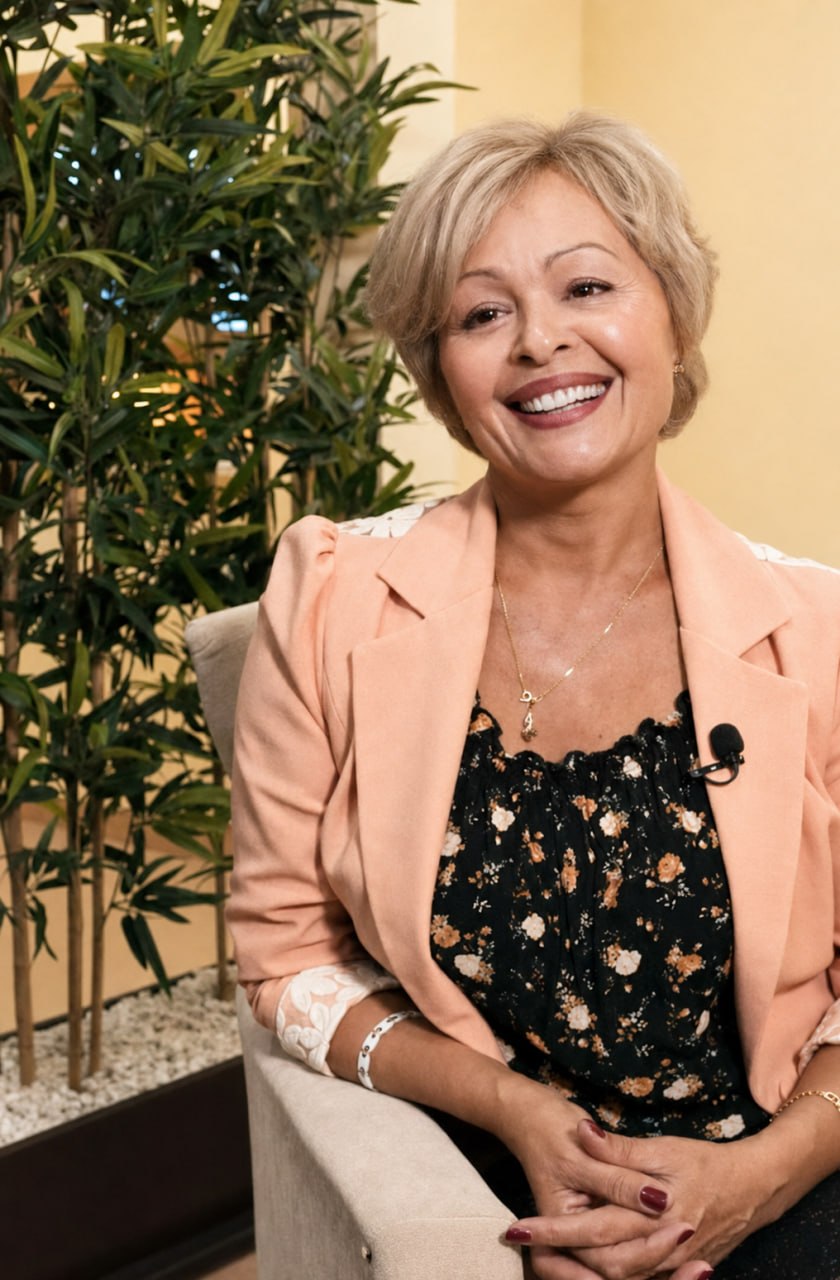
The patient highlights the warm manner, calm communication and careful treatment. She was pleased both with the final result and with the treatment experience itself.
SvetlanaDescribe the problem in your own words — we will arrange a suitable time and type of visit.
Choose a preferred time. The dentist will check the schedule and confirm it or suggest the nearest suitable option.
For patients who live far away and would like to show their situation before travelling.
Medical images, forms and documents sent to the clinic are sensitive personal data. We use them only to assess your situation and prepare the consultation.
Fee guides can be downloaded directly from the website and do not require an email address.
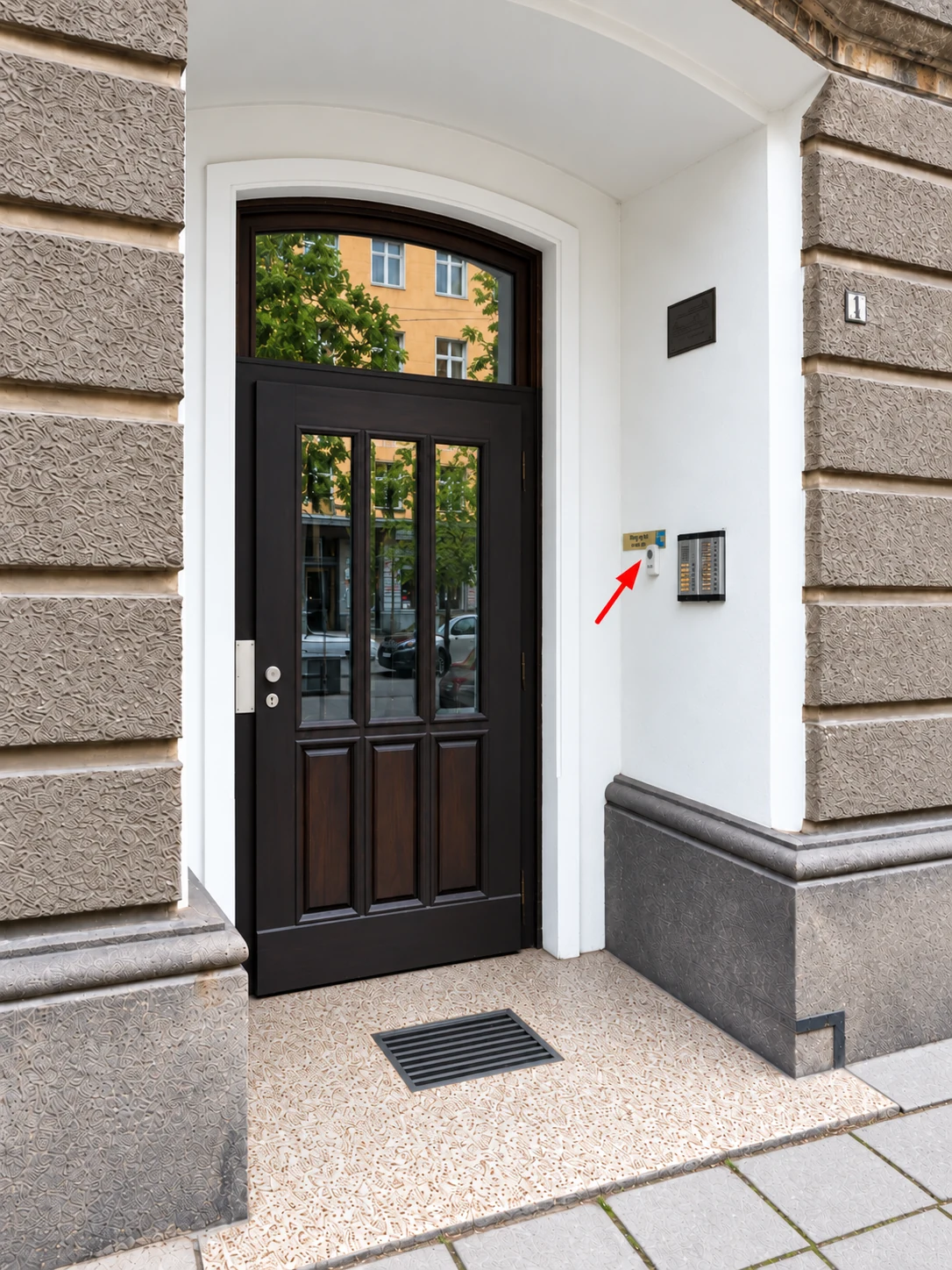
Clinical provider: STETSON EOOD, 1 Krakra Street, Apt. 3, 1504 Sofia, Bulgaria.
The website uses only technically necessary cookies for correct form operation and language preference.
If you have feedback or a complaint about the quality of service, email hello@drstetsondentalcare.com or call +359 87 725 0439. We will review your message and respond.
Usually around 20 minutes with the dentist; allow about 30 minutes for the whole visit.
The dentist first asks what is bothering you, when the problem started, how it has developed and what treatment you have had before.
Teeth, existing fillings and restorations, gums and oral tissues are assessed; if necessary, bite and chewing function are also evaluated. If you came with a specific local problem, that area is examined first.
When needed, diagnostics may include an intraoral radiograph, OPG, CBCT, intraoral scanning or clinical photographs. A test is prescribed only when its result is needed for a specific decision.
If the situation is straightforward, the dentist will explain the problem, treatment options, prognosis and cost; in some cases treatment can start the same day. If the case is more complex, diagnostic information is gathered first and a separate treatment plan is prepared.
If you already have radiographs, OPG, CBCT, reports from other dentists, previous treatment plans, implant details or a list of regular medication, bring them with you or send them to the clinic in advance.
If you have no documents, that does not prevent an initial examination. Older images are worth bringing too; the dentist will decide how useful they are for the current situation.
3D imaging is performed in the clinic when clinically indicated.
CBCT is used when the dentist needs three-dimensional information for a specific clinical decision. If the necessary information can be obtained without CBCT, no additional scan is prescribed.
Unlike a conventional 2D image, CBCT allows layer-by-layer assessment in different planes: root position, canal anatomy, bone volume and architecture, neighbouring anatomical structures, sinuses and bony TMJ structures within the field of view.
CBCT is most often used for implant planning, complex surgery, difficult or repeat root canal treatment and comprehensive treatment planning.
Preparation and positioning usually take about a minute. The scan itself takes around 30–45 seconds. The dentist then needs separate time to process and clinically analyse the images.
Bring or send in advance a scan from another clinic. Original DICOM data or the full archive are preferred, although other available materials may also be useful. A new CBCT is prescribed only when the existing information is insufficient for the specific clinical task.
When a patient pays for CBCT at the clinic, the study is stored in cloud storage and the patient receives a link to access the data.
Before imaging, tell the dentist about pregnancy or any other circumstances that may be relevant to X-ray diagnostics.
Treatment of decay and restoration of damaged teeth. Existing fillings can be replaced, tooth form and function restored, and materials selected for the individual case. The scope is determined after examination.
The aim is not simply to treat the canals, but to preserve a tooth that can then be restored predictably.
For inflamed pulp, chronic inflammation around the root tip, or when previously filled canals need retreatment. Lack of pain does not always mean a previously treated tooth is healthy.
Treatment usually takes several stages: access to the canal system, mechanical and chemical preparation, medication between visits when needed, then final filling of the canals and restoration of the tooth.
An intraoral radiograph is often sufficient for straightforward anatomy. CBCT is especially useful for complex anatomy, molars, retreatment, suspected additional canals and unclear periapical pathology.
If an additional canal cannot be located and treated safely, or the risk of perforation is too high, referral to a microscope endodontist may be the safer option.
Retreatment is more complex than primary treatment and its prognosis is less predictable. With apical periodontitis, outcome is assessed not only by symptoms but also by follow-up radiographs months later.
Removal of dental deposits and personalised oral care. Regular professional hygiene supports gum and dental health and helps reduce the risk of decay and inflammation.
Extraction is considered when a tooth cannot be preserved predictably or its prognosis is no longer reasonable.
Examples include a vertical root fracture, non-restorable destruction, failed endodontic treatment without a reasonable prognosis, or a problematic wisdom tooth. A healthy, normally positioned wisdom tooth is not removed simply because it is a wisdom tooth.
Local anaesthesia is given and its effect is checked. More complex cases may require surgical access, management of inflamed tissues and sutures.
An intraoral radiograph, OPG or CBCT is selected according to the anatomy. CBCT is particularly important when roots are close to the sinus or mandibular canal, or when anatomy is complex.
If an implant may be considered later, the dentist aims to preserve as much alveolar bone and socket structure as possible, keeping future restoration options open.
After a complex extraction, the patient receives aftercare instructions. Sutures are usually removed after about a week.
Before making a crown, the first question is whether the tooth underneath provides a reliable foundation.
If a vital tooth can be preserved predictably with a more conservative approach, the dentist may prefer a direct restoration, inlay, onlay or overlay instead of automatically preparing the tooth for a full crown.
A bridge can be reasonable when the adjacent teeth already need crowns. If they are intact, an implant is often considered so healthy teeth do not have to be prepared to replace one missing tooth.
Zirconia is the main choice for many single crowns. E.max may be used in the anterior region when aesthetic demands are high; pressed ceramic may be used for inlays, onlays and overlays.
After tooth preparation, a Panda digital scan is taken and sent to the laboratory. Once the tooth is fully prepared, two clinical visits are usually enough: scanning, then checking and fitting the finished restoration.
Accurate fit, correct contact points and occlusion, a properly finished margin and the ability to maintain healthy gums.
Implant treatment starts not with the implant, but with the question of whether the natural tooth can be preserved with a good prognosis.
For a single missing tooth next to healthy teeth, an implant can avoid preparing intact neighbouring teeth for a bridge.
Diagnostics → implant placement → osseointegration → soft-tissue shaping when needed → digital scan → fabrication and fitting of the crown.
A fixed provisional restoration can be placed immediately only when bone quality, primary stability, implant number and position, and load distribution make this safe.
When bone volume is insufficient, a closed or open sinus lift or another augmentation procedure may be needed. The strategy is determined after examination and CBCT.
Assessment of bone, choice of implant system, positioning and surgical protocol are the dentist’s responsibility, not the patient’s. This is why CBCT is used for implant planning rather than an approximate assessment from a conventional image.
If an implant fails to integrate or is lost before osseointegration is complete, or within six months after the crown is fitted, replacement is provided at the clinic’s expense: implant, surgical stage and a new crown. This does not apply in cases of trauma, smoking, failure to follow clinical advice or missed review appointments.
Implant treatment cannot provide an absolute guarantee: long-term results depend on biological conditions, hygiene and follow-up. Planning and placement are the dentist’s responsibility; maintaining the result is a shared responsibility of dentist and patient.
A comprehensive plan is useful when several problems are interrelated and treating one tooth in isolation will not solve the overall problem.
The dentist first establishes what result the patient wants and what scope of treatment they are prepared for. The biological situation is then assessed, and only after that is a realistic treatment pathway built.
The condition of teeth that may be preserved, existing restorations, periodontal tissues, bone, missing teeth, previously endodontically treated teeth, occlusal support and future prosthodontic restorations.
What the patient wants → what biology allows → what is realistically possible within the budget. The sequence of endodontics, periodontal treatment, surgery, implant treatment and prosthodontics is then established.
If a natural tooth has a reasonable prognosis, the dentist aims to preserve it. An implant is a good replacement for a lost tooth, but not a reason to remove a tooth that can still function.
There is no standard duration for complex rehabilitation. Timing depends on the scope of treatment, healing, endodontics, surgery, implants and laboratory stages. The plan may be adjusted if new clinical information appears during treatment.
A detailed review of available images, investigations and previously proposed treatment. You receive an independent view of the situation and a clear explanation of the available options.
Clicking, crepitus, pain or restricted mouth opening may be related to the temporomandibular joint, muscles, bite or missing teeth. A functional assessment can help identify possible causes and guide the next steps.
The aim of the consultation is not simply to quote a price, but to give the patient enough information to make an informed decision.
Only investigations relevant to the specific task are used: clinical examination, CBCT, OPG, intraoral radiographs, digital models, intraoral photographs and other indicated materials.
The prognosis of individual teeth, existing restorations, bone and other supports is assessed. A complex problem does not automatically mean a tooth should be removed if it still has a reasonable prognosis.
The dentist compares clinically justified options, explains the advantages and limitations of each approach and discusses how they affect later stages of treatment.
When endodontics, surgery, implants and prosthodontics need to be combined, a logical sequence is established. Timing depends not only on the schedule but also on healing and tissue response.
Once the scope of treatment is defined, cost, staged payments and possible alternatives are discussed. Fixed fees are not changed by hidden extras; if a fee depends on complexity, this is stated in advance.
After a detailed consultation, the patient receives a written treatment plan in print or PDF when the case requires separate comprehensive planning.
The purpose is not to persuade the patient to choose the largest amount of treatment, but to provide a clear picture of the situation and realistic options.
Payment follows the actual stages of treatment.
Cash, bank cards and bank transfers are accepted.
Treatment is paid for as agreed stages are completed. There is no general mandatory deposit.
Crowns, bridges and other laboratory work are paid for at the impression or digital scanning stage before the order is sent to the laboratory.
The surgical stage is paid after implant placement. There is no separate mandatory deposit.
In individual cases, a personalised instalment arrangement can be discussed.
Follow-up examinations prescribed by the dentist after treatment are free of charge. Additional imaging, when required, is charged separately.
Dentist. In practice since 1997.
Dr Mark Stetson qualified as a dentist at Kuban State Medical Academy. His professional qualification has been recognised in the Republic of Bulgaria since 2005; he is a member of the Bulgarian Dental Union.
The first question is not “what else can be treated?” but what is actually bothering the patient and what result they want. If a problem can be treated safely as a local issue, treatment is not expanded unnecessarily.
When several problems are interrelated, the dentist first gathers diagnostic information, assesses the prognosis of individual teeth and only then establishes the sequence of endodontics, surgery, implants and prosthodontic restoration.
In previous clinical work, Mark Stetson developed a structured system for reviewing complex treatment plans. The preserved archive contains around 2,500 documented plans with CT analysis and surgical/prosthodontic reasoning. This experience is used today when reviewing complex cases.
Russian, Bulgarian and English.